What We Do
We demonstrate easy-to-prepare but flavorful and delicious plant-based meals. Our menu is based on the teachings given to us in “Counsels on Diets and Foods,” by Ellen G. White. Hence, we don’t use vinegar, baking soda, baking powder, strong spices, dairy products, or meat in any of the recipes we teach.
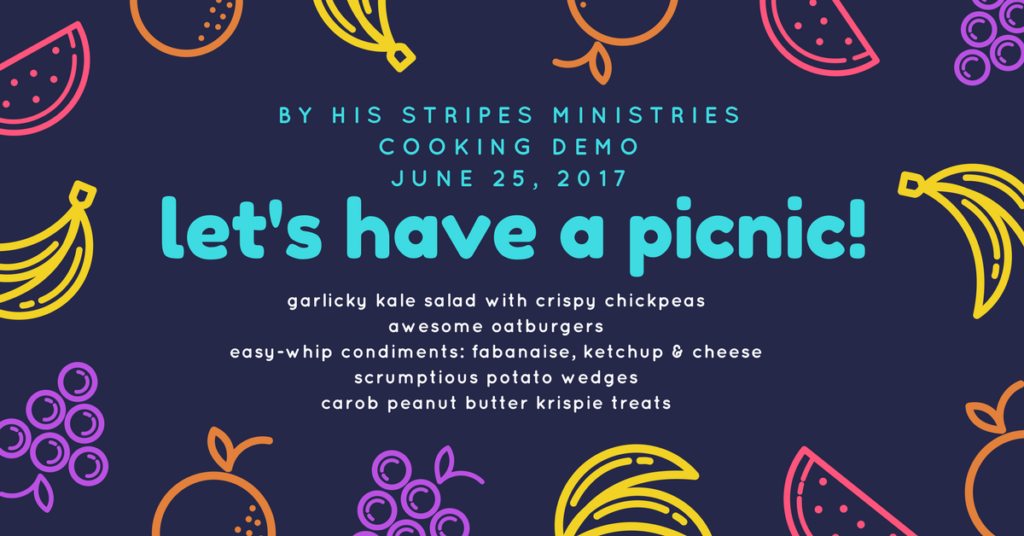
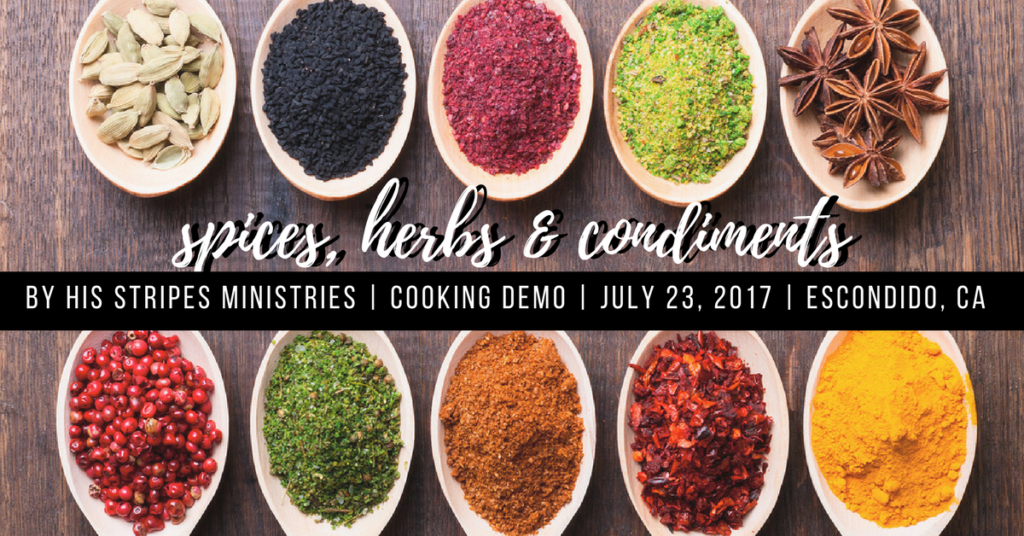
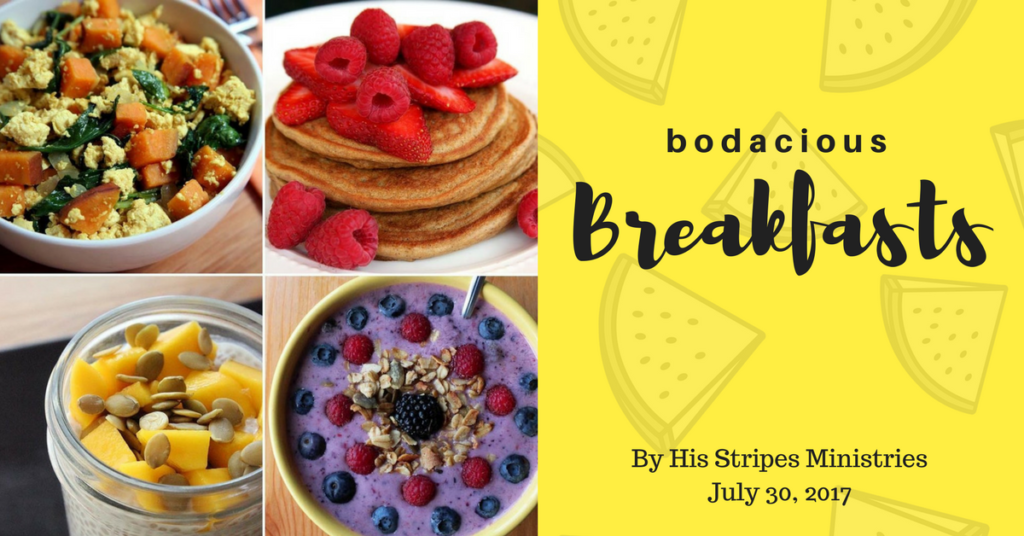
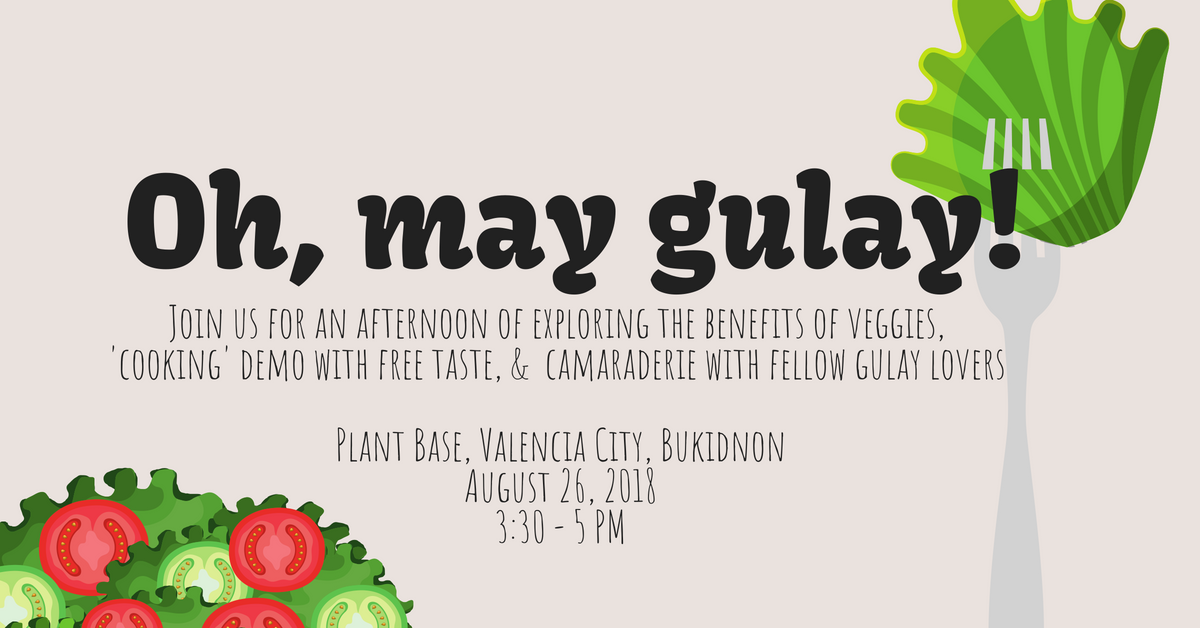
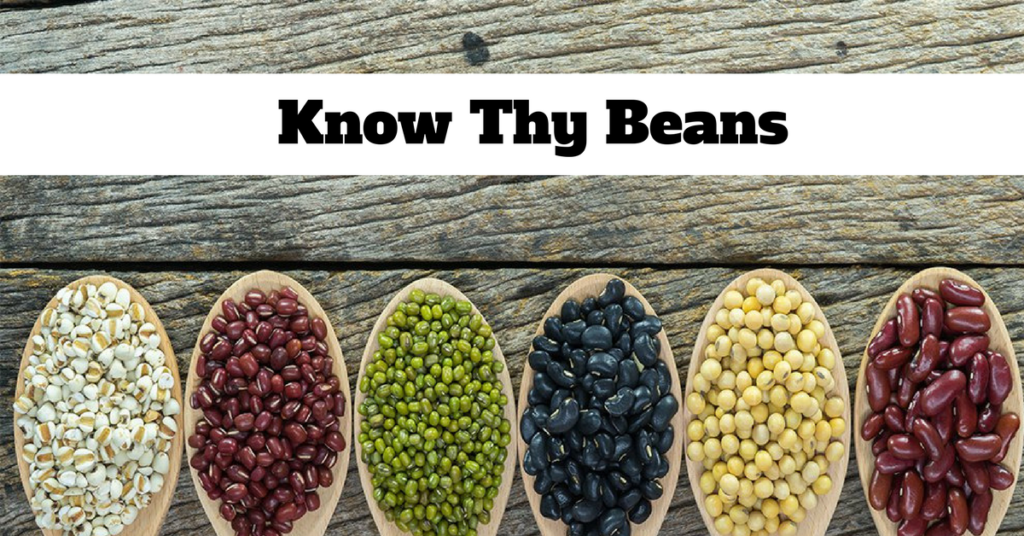
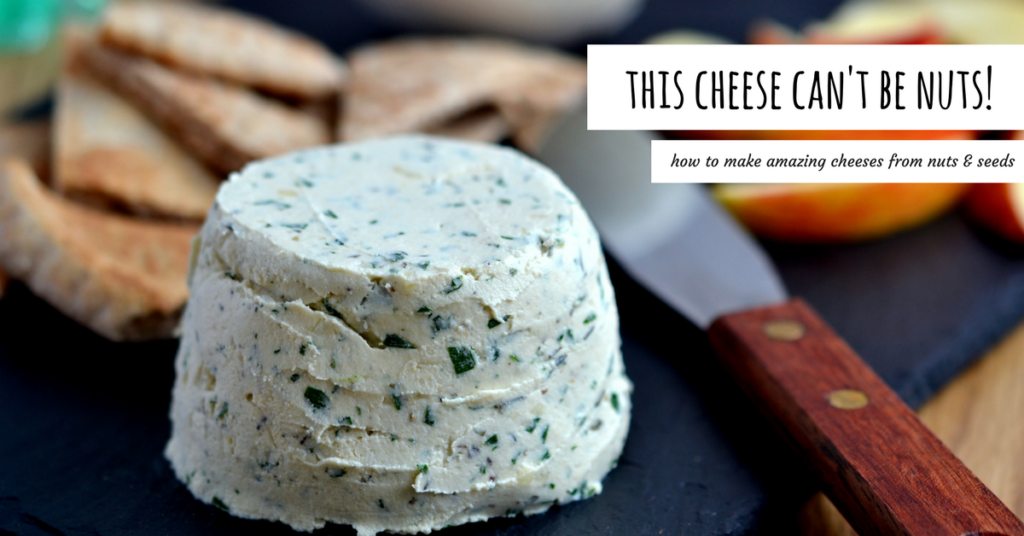
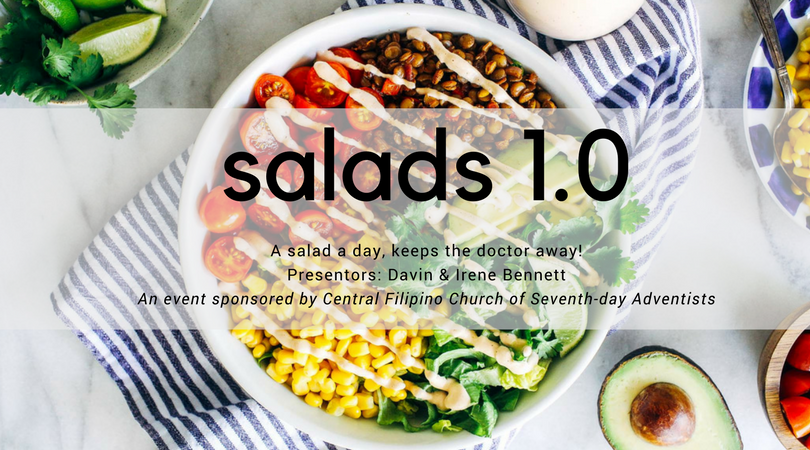
Themes We’ve Done in the Past Cooking Demos
Our cooking demos are not limited to these themes only. These are sample sessions we have done in the past with a specific target audience in mind.

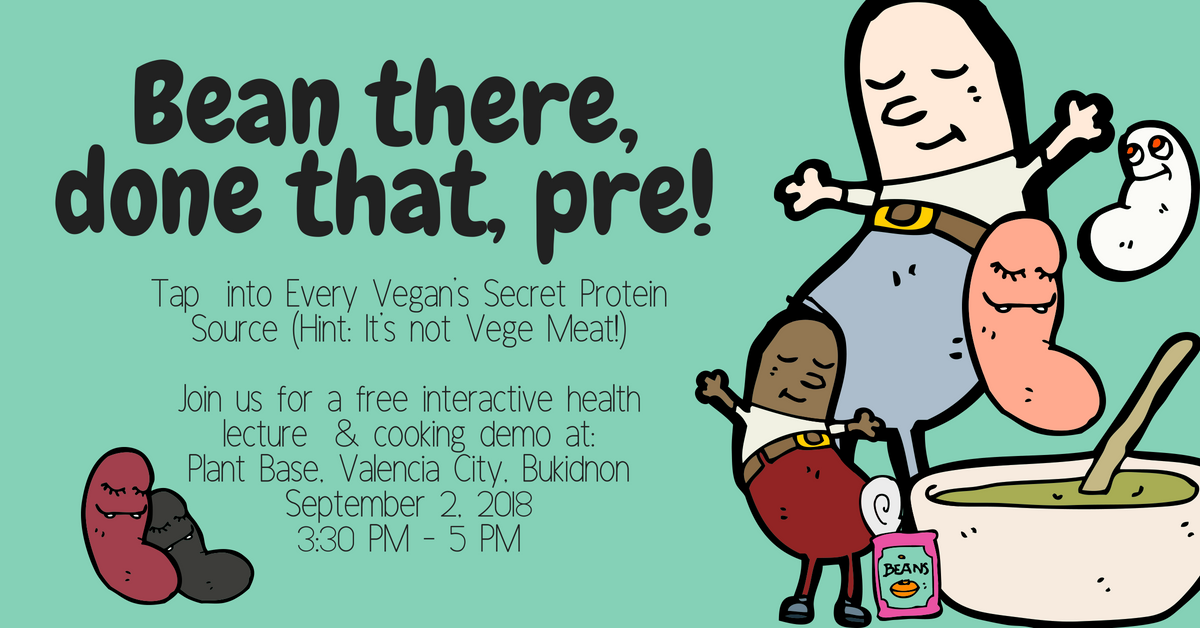
Target Audience
Church members, college students, cancer patients, health professionals, children, as well as other regular members of the community from different walks of life who are interested to learn how to cook plant-based foods.
Possible Formats
Our demos can range from 10 minutes to 1 hour, depending on what needs to be accomplished. They can be in-depth, allowing attendees to do actual hands-on experience, or short and to-the-point demos. A tasting session usually caps every presentation. Most classes are taught in church kitchens or business establishments (restaurant, offices, stores, and even streets!)
We can also do private home settings, where the host may invite a few friends.
Intended Outcomes
~Students will gain more appreciation of vegan meals.
~Students will be convinced that vegan meals are easy to prepare.
~Students will know the dangers of bad eating habits and the benefits of good ones.
~Students will see the body-brain connection through nutrition
Topic Authority
~We were trained in Wildwood College of Health Evangelism where we had experience in preparing nutritious and delicious plant-based meals
~We both worked in the Wildwood student cafeteria which enhanced our cooking skills
~We have collaborated with over 25 churches, families, clubs, businesses and individuals in facilitating cooking schools
~We have a self-published cookbook
~Davin was involved in restaurant work when he was in Jamaica
Commonly Asked Questions
- What does a cooking demo cost?
We ask for our travel expenses and the prices of the ingredients to be covered. Currently, we are located in the Philippines. Travel expenses would depend on where you are located. Ingredient prices depend on the theme, how many people will attend and how much food would be portioned for the tasting session.
We also ask for a free-will offering, and the opportunity to sell our cookbook if it is not during Sabbath hours.
- What are your lodging needs?
We are happy to stay in a hotel, motel, or with someone who is willing to house us. Also, we may need more than one night depending on the timing of the cooking demo, but we can discuss that as we finalize a request.
- How long is the cooking demo?
Our demos can range from 10 minutes to 1 hour, depending on what needs to be accomplished. They can be in-depth, allowing attendees to do actual hands-on experience or short and to-the-point demos. A tasting session usually caps every presentation.
- Do you have Audio/Visual needs?
We usually do. At the moment, we’re still raising funds for headset microphones. We also need to use a visual projector compatible with either Windows or Mac during the demos. We also request the church or the host to print the handouts that we email ahead of time. This can be discussed and determined ahead of time.
- How much time will you need before the cooking demo for setup?
We usually need 3-4 hours for setting up our cooking equipments, for prepping the ingredients and cooking the food to be sampled. Most times, we use the church’s kitchen to prep/cook and ask 1-2 volunteers from the church to help speed up the process.
- Do you do cooking demos during the Sabbath?
We don’t.
- Do you do cooking demos in the sanctuary?
We don’t. We prefer to do it in a room close to a kitchen. We have done it in rooms where lighting a fire is prohibited. In these rare cases, we only demonstrate food that only needs a blender, or we pre-cook the food and leave out the actual “cooking” portion of the demo.
- Would this be a good program to invite friends and neighbors too, even if they are not Christians?
Yes, especially if we are informed that this will be used for more than just the local church body. The information we share is usually relatable and relevant.